
The great heart of the Kuban
It is so nice on a hot day to stroll around in the Krasnodar city park...
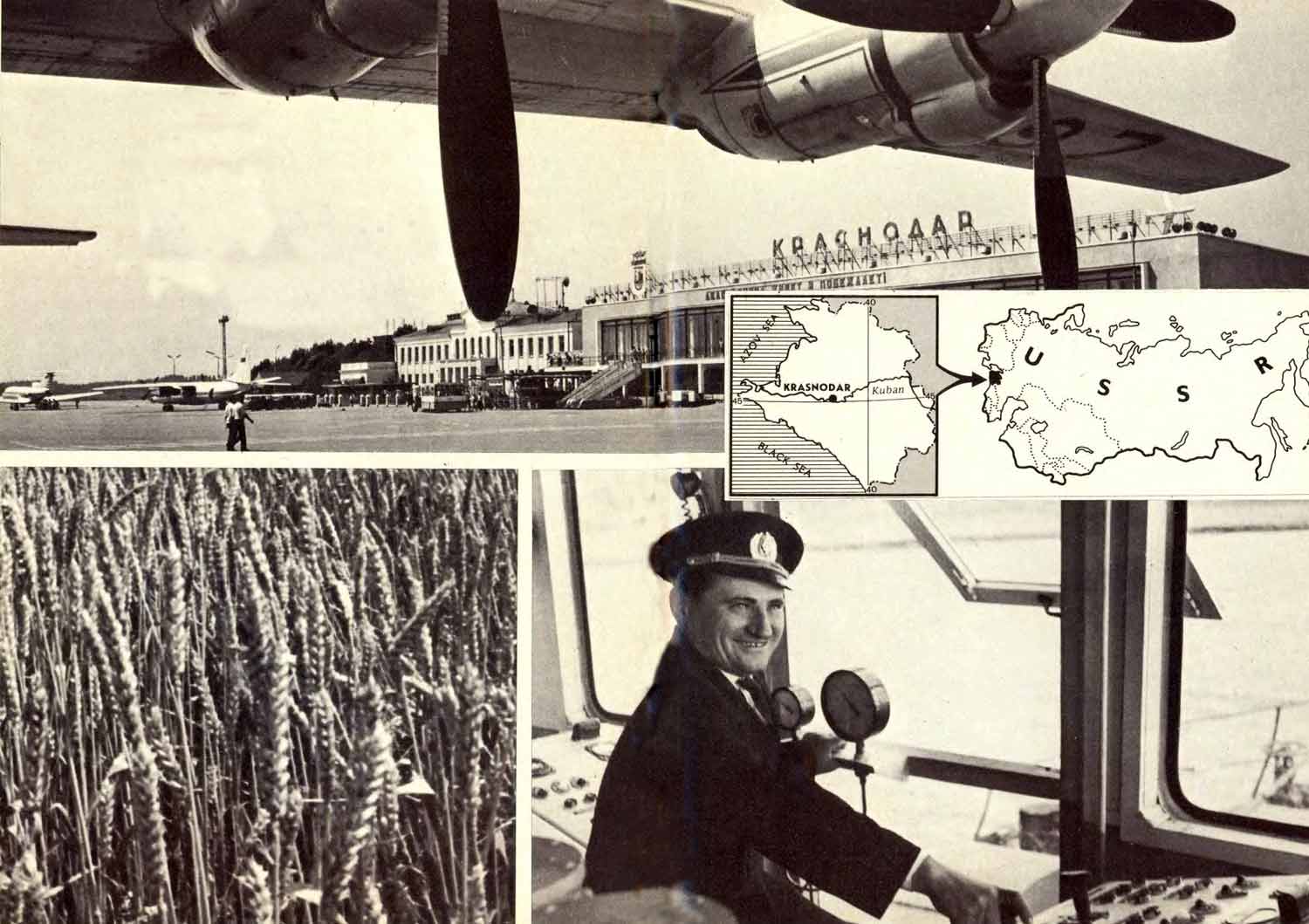
The capital of Russian Kuban
The shady lanes and fresh wind from the Kuban River make it pleasant and cool. And a landmark one inevitably stops to admire, is a giant oak tree towering above all the other trees. Foresters assert that this oak is over 300 years old. Historians recount the following legend associated with it.
In 1773 a detachment of Zaporozhye Cossacks on their way to the Kuban to guard the southern frontiers of the Russian state, stayed overflight under this tree, which was later called "Zaporozhye Oak Tree" When the warriors woke up the next morning and looked around, they realised that no better place could be found for the construction of a fort. So the Orekhovaty fort (named after the nearby lake of the same name) was built. The fort soon grew into a settlement and later a city which became the capital of the Kuban Cossacks. The city was called Ekaterinodar. In December 1920 it was renamed Krasnodar.
In 1900 the population of the city numbered about 70.000. In 1960 it was 315,000 and today it is over half a million.
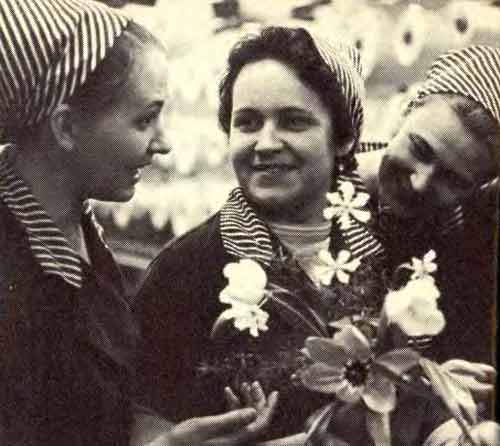
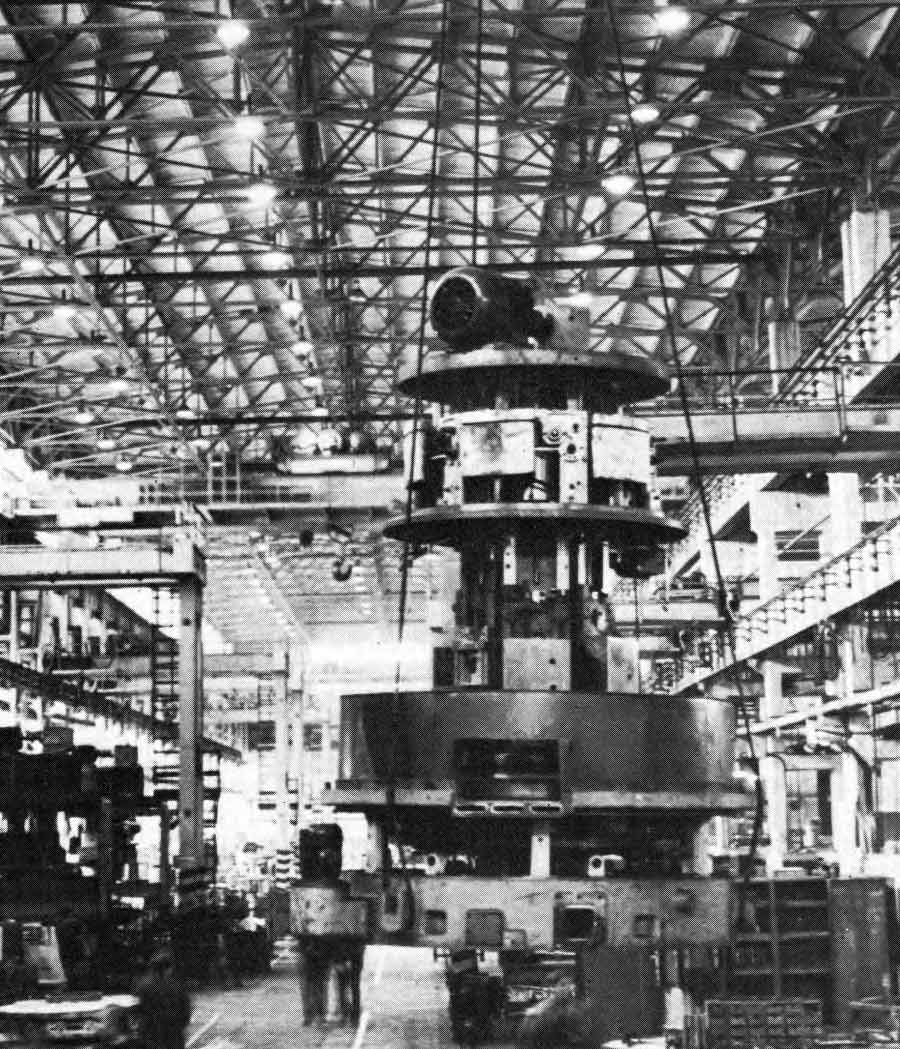
Krasnodar is an industrial city. The production of the Krasnodar plants — heavy vertical semi-automatic turning lathes, machine-tools with an electrocopying device, heavy compressors, industrial refrigerating plants, electro-measuring and radio-measuring instruments, textiles — are well known abroad as well as in the Soviet Union. Electro-measuring instruments, for instance, are exported to more than 40 countries.
The growth of industry in Krasnodar required a lot of electric power. The problem was solved when a heat and power plant operating on the local natural gas was constructed. Apart from the usual high-capacity power units, the Krasnodar heat and power plant has gas-turbine installations of 100,000 kilowatts.
In the last few years a large hydrotechnical development has been under construction on the outskirts of Krasnodar a man-made "sea" is being created, an artificial reservoir with a capacity of three thousand million cubic metres of water. In dry weather it will provide the rice plantations fields and gardens with water. The rich soil of the Kuban will yield even better crops. The administrative centre of the large and fertile Krasnodar territory, the city is closely connected with agriculture. There are more than 20 scientific research institutes in the city and many of them arc working on agricultural problems.
 ·
·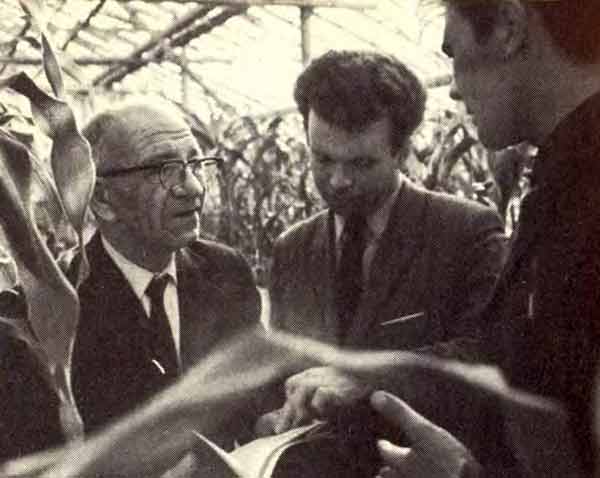
Not so long ago scientists of many countries believed that rhe maximum oil content of sunflower seeds runs to 21-24 per cent. However, Academician Vasili Pustovoit of Krasnodar has grown new varieties of sunflowers which yield good crops, have a high resistance to diseases, and the seeds contain 56 per cent oil. Another scientist from Krasnodar, Academician Pavel Lukyanenko, a son of a Kuban Cossack grain-grower, spent many years growing varieties of high yield wheat. His varieties "Bezostaya", Aurora" and "Kavkaz" yield up to 60 centners of grain per hectare on Kuban soil.
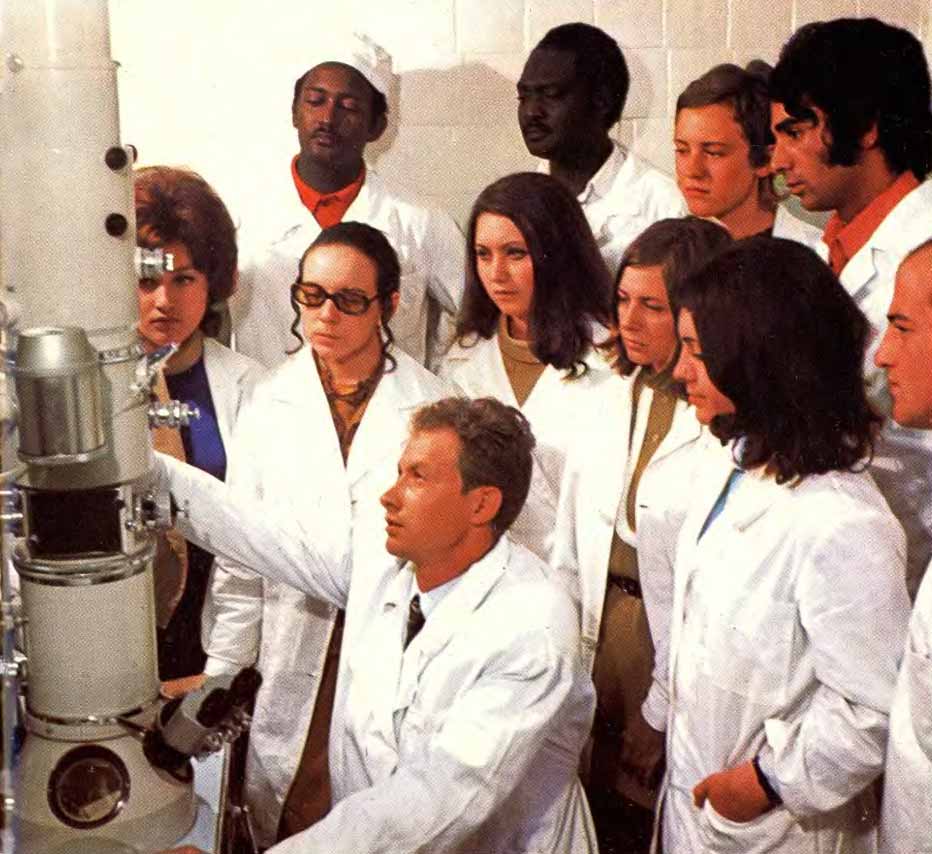
Every fourth person in Krasnodar studies. There are 80 secondary, 15 special and technical schools and six establishments of higher education in the city. Recently a university was opened. The Krasnodar agricultural institute (with 11 faculties) is one of the largest in the USSR.
 |
 |
Very soon Krasnodar will be known as a resort town. Underground springs of iodine-bromide water of high medicinal effectiveness were discovered recently. A large balneological complex — containing a hydropathic unit, a polyclinic and living quarters — is under construction.
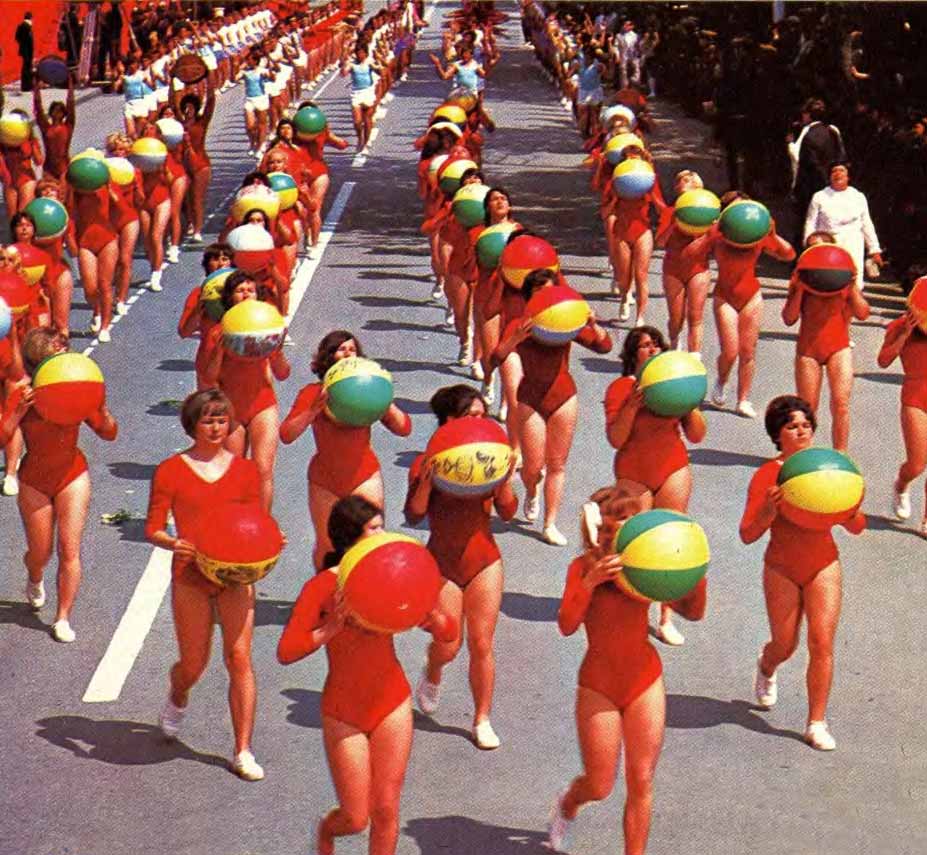
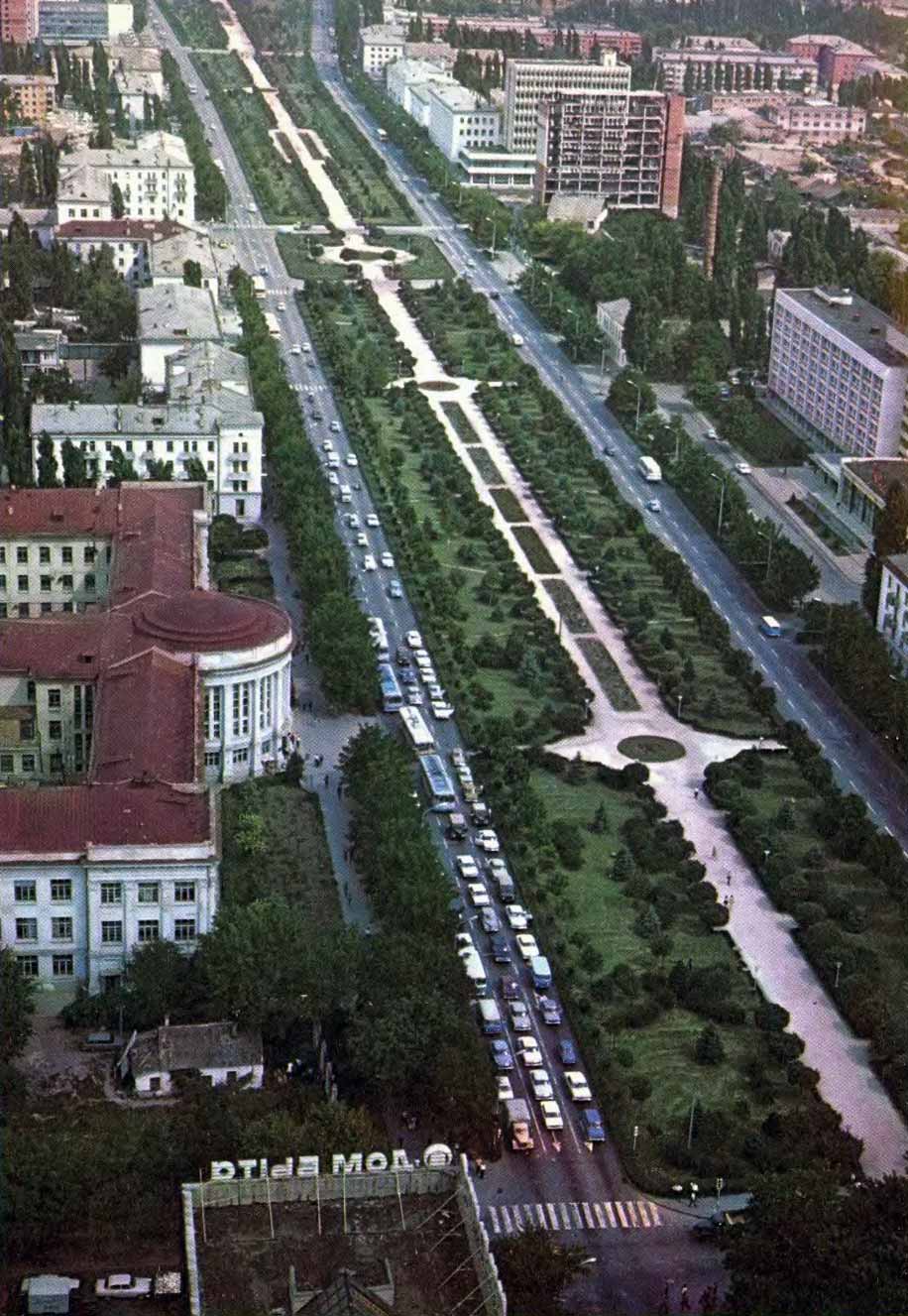
From year to year Krasnodar is growing and becoming more and more beautiful. The little houses made of turluk — cane and wattle coated with clay — which was the main building material in the Kuban in the past, are being demolished. In their place rise modern apartment blocks made of concrete, brick and glass. In the last few years, three theatre buildings (drama, musical comedy and puppet show), and an unusual circus building have been constructed. New public gardens and parks are being opened.
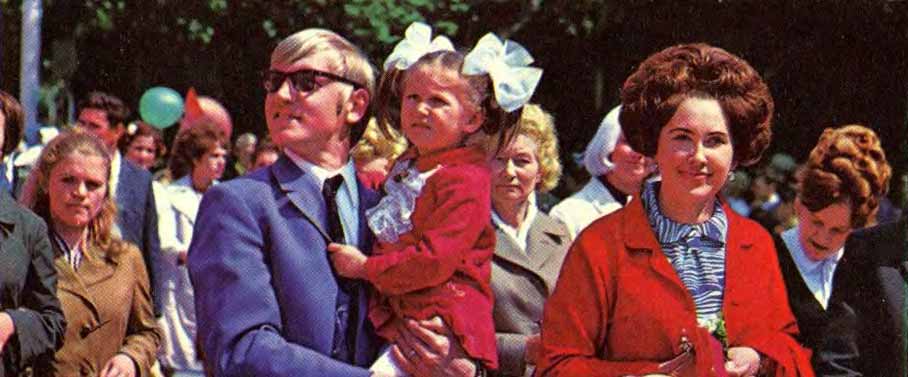
... 1 am standing in the park next to the "Zaporozhye Oak Tree" and this silent witness of the city's birth seems to be staring in amazement at its turbulent growth and listening to the powerful beat of the great heart of the land of the Kuban...
by Vasili Popov
Photographs Alexei Zhigailov
Sputnik №5 May 1974
Diguest of Soviet Press
***

Комментариев нет.